Best Hummingbird Feeder
The best hummingbird feeder is less about capacity and more about how easy it is to clean thoroughly every few days, since nectar spoils quickly and a feeder that is hard to disassemble often gets cleaned less often than it should. The Aspects HummZinger Ultra is built around exactly that problem, with a wide mouth for easy scrubbing and a design that resists dripping and leaking. A simple saucer feeder below is a fine budget entry point, and the Aspects HummZinger Highview two-pack is the premium pick for covering more territory at once.

The short list
| Tier | Pick | Price | |
|---|---|---|---|
| Beginner | Kingsyard 6 Feeding Ports Saucer Hummingbird Feeders for Outdoors | $10.99 | View |
| Intermediate | Aspects 367 Hummzinger Ultra Hummingbird Feeder | $28.95 | View |
| Expert | Aspects HummZinger Highview Hanging Hummingbird Feeder - 429 | $61.96 | View |
Kingsyard 6 Feeding Ports Saucer Hummingbird Feeders for
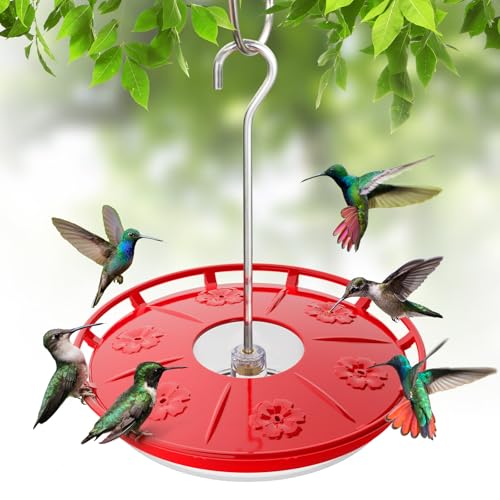
The Kingsyard 6 Feeding Ports Saucer Hummingbird Feeder is a simple, affordable saucer design at under $11 with six feeding ports, making it an easy first feeder to hang without much investment.
Skip it if: Skip it if you want a built-in ant moat or the easiest possible cleaning; simpler saucer designs trade some convenience for a lower price.
Aspects 367 Hummzinger Ultra Hummingbird Feeder
The Aspects HummZinger Ultra holds 12 ounces of nectar across four feeding ports, with a no-drip design and a wide mouth that makes thorough cleaning genuinely fast. At under $30 it is the buy-once value pick most hummingbird feeder comparisons point to first.
Skip it if: Not the pick if you specifically want the largest possible capacity for a very active hummingbird season.
Aspects HummZinger Highview Hanging Hummingbird Feeder - 429
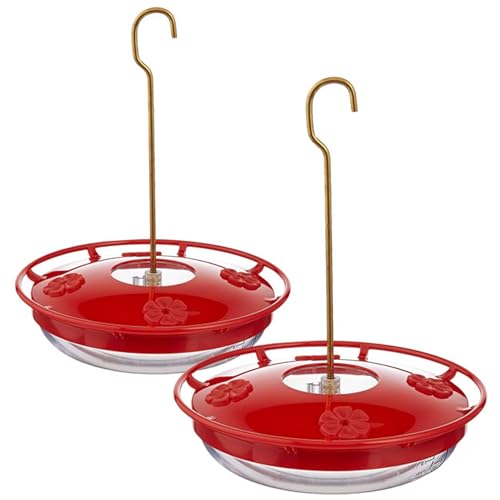
The Aspects HummZinger Highview two-pack gives you the flagship Aspects design at two locations at once for under $65 total, which is the premium pick for a yard with enough hummingbird traffic to justify feeders on opposite sides of the property.
Skip it if: Skip it if one feeder already covers your yard; a single HummZinger will serve most households just as well.
Also worth a look
Other listings in the same category, spread from budget to premium.


What makes a hummingbird feeder easy to keep clean?
Look for a feeder that fully disassembles into just a few parts, with a mouth wide enough to fit a bottle brush or your hand inside for scrubbing. Feeders with narrow necks or many small internal parts are harder to clean thoroughly, which matters because mold and bacteria can build up quickly in warm nectar and make birds sick. A no-drip design also helps by reducing the sticky residue that attracts ants and wasps around the feeding ports.
How do you make hummingbird nectar correctly?
The standard ratio is 1 part plain white sugar to 4 parts water, with no red dye and no honey, since dye is unnecessary and honey can ferment and grow harmful bacteria more easily. Use the hummingbird nectar calculator to scale the ratio to your feeder's exact capacity, and see the full method in our how to make hummingbird nectar guide.
How often should nectar be changed?
Change nectar roughly every 6 days when temperatures stay below about 75°F, and daily once temperatures climb above about 92°F, since sugar water ferments faster in heat and can sicken hummingbirds. Check the nectar change schedule for the temperature bands in between.
How do the three tiers compare?
| Feeder | Capacity | Ant moat |
|---|---|---|
| Kingsyard Saucer (Beginner) | Not specified | No |
| Aspects HummZinger Ultra (Intermediate) | 12 oz | Built in |
| Aspects HummZinger Highview 2-pack (Expert) | 12 oz each | Built in |
How we chose
We researched these hummingbird feeders from manufacturer specifications and verified owner reviews rather than testing them in person. Nectar ratios and change schedules referenced on this page reflect widely published guidance rather than a claim specific to any single product.
Buying tips for choosing a hummingbird feeder
- Prioritize a wide mouth and simple disassembly over raw capacity if you tend to procrastinate on cleaning.
- Use an ant moat, either built in or added separately, since sugar water attracts insects quickly.
- Hang the feeder in partial shade if possible; direct afternoon sun speeds up nectar spoilage.
- Match capacity to your actual hummingbird traffic; an oversized feeder just means more wasted nectar during a change.
Get the one-page buying checklist
The three picks above, the placement distances and a cleaning schedule on one printable page.
Used only to send the checklist.Buy the picks
Prices move constantly; the button shows the current figure.
Frequently asked questions
Is glass or plastic better for a hummingbird feeder?
Glass reservoirs resist staining, scratching, and UV yellowing better than plastic over years of use, which keeps them looking clear and clean-looking longer. Plastic is lighter, generally cheaper, and less likely to break if dropped or knocked around by wind. Either material works well for nectar itself, so the choice mostly comes down to durability preference and price.
How do I keep ants out of a hummingbird feeder?
A built-in or separate ant moat, a small reservoir of water that sits between the hanger and the feeder, blocks ants from crawling down to the nectar since they cannot cross the water barrier. Keeping the feeder clean and wiping up any drips around the ports also reduces the scent trail that draws ants in the first place.
Should I add red dye to hummingbird nectar?
No, red dye is not necessary and is generally discouraged, since hummingbirds are drawn to the feeder's red parts rather than red-colored nectar, and dye offers no nutritional benefit while adding an unnecessary chemical to their diet. Plain white sugar and water in a 1 to 4 ratio is the standard, widely recommended recipe.
How many hummingbird feeders do I need for a busy yard?
Hummingbirds are territorial and will often chase other hummingbirds away from a single feeder, so spacing two or more feeders out of sight of each other, on opposite sides of a house or yard, can reduce fighting and let more birds feed overall. A single feeder is enough for light traffic or if you enjoy watching the territorial behavior.
Can I use a hummingbird feeder to attract orioles too?
Orioles will sometimes visit a hummingbird feeder, especially ones with larger ports, but they are generally better served by a dedicated oriole feeder built for jelly and orange halves alongside or instead of nectar. See our oriole feeder roundup if attracting orioles specifically is a goal.