Birding binocular calculator: 8x42 or 10x42?

Ideal backyard and woodland choice.
These are geometric relationships, true for any binocular. Glass quality (ED glass, coatings, prism type) is what separates a $150 and a $500 binocular with the same numbers, and it does not appear in the formula.
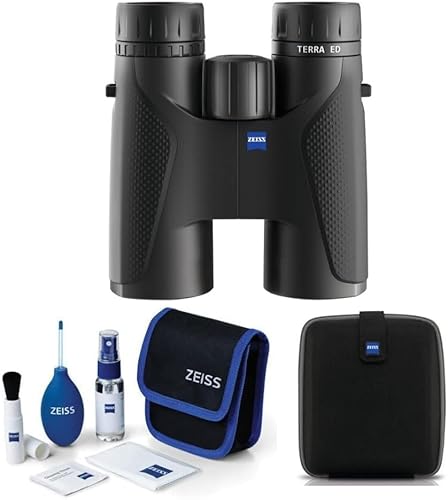
Birding binoculars from budget to alpha glass
Prices move constantly; the button shows the current figure.


Get the printable checklist
One page with every item, the placement distances and the cleaning schedule. We send it once. No sales sequence.
Used only to send the checklist.Frequently asked questions
What magnification is best for bird watching?
Eight power is the most common recommendation for general birding. An 8x binocular shows a wider field, which makes finding a moving bird easier, and shows less hand shake. Ten power suits open country, shorebirds and hawks at distance. Anything above 10x is hard to hold steady without support, so most birders who need more reach add a spotting scope.
What does 8x42 mean on binoculars?
The first number is magnification: 8x makes a bird look eight times closer. The second is the diameter of each front lens in millimetres: 42 mm. Dividing the second by the first gives the exit pupil, 5.25 mm for an 8x42, which indicates how bright the view stays in dim light. The 8x42 is the most popular birding configuration.
What is exit pupil and why does it matter?
Exit pupil is the width of the beam of light leaving the eyepiece, calculated as objective diameter divided by magnification. A larger exit pupil gives a brighter, easier view in dim conditions such as dawn, dusk and under dense trees. Around 4 to 5 mm suits most birding; below about 3.5 mm the view dims noticeably in poor light.
Are 10x42 binoculars good for bird watching?
Yes, especially for open habitat such as marshes, coastlines and fields where birds are farther away. A 10x42 gives 25 percent more magnification than an 8x42, with a slightly narrower field of view, a 4.2 mm exit pupil and more visible shake. In woodland and backyards, where birds are close and move quickly, many birders find 8x easier.
Do more expensive binoculars really make a difference?
Up to a point. Moving from a budget binocular to a mid-range model with ED glass, phase-corrected roof prisms and good coatings brings sharper edges, truer colour and a brighter view in poor light. Beyond roughly the mid-hundreds, gains get smaller per dollar. The numbers on the body such as 8x42 stay the same; the glass quality is what you pay for.