Feeding backyard birds in Washington
Washington sits in the Pacific Coast feeder region, with mild, wet winters. Keep seed dry, and keep nectar up year round for resident Anna's Hummingbirds. The page covers the birds to expect, the feeder types that suit them and what seed to buy.
Washington sits in the Pacific Coast feeder region. Mild, wet winters: keep seed dry and nectar up year round for resident Anna's Hummingbirds. State bird: American Goldfinch.

Which birds visit feeders in Washington?
| Bird | Best food | Feeder | Season |
|---|---|---|---|
| House Finches | Black oil sunflower | Tube feeder | Year round; often the most numerous bird at suburban feeders |
| Goldfinches | Nyjer (thistle) | Nyjer (finch) tube | Flocks in winter; bright yellow breeding plumage in spring and summer |
| Juncos | White proso millet | Ground tray | Winter visitors across most of the US ("snowbirds") |
| Chickadees | Black oil sunflower | Tube feeder | Year round; the first to find a new feeder |
| Nuthatches | Suet and suet dough | Suet cage | Year round |
| Native Sparrows | White proso millet | Ground tray | Year round, with more species in winter |
| Towhees | White proso millet | Ground tray | Year round in much of the South and West |
| Hummingbirds | Nectar (sugar water) | Hummingbird feeder | Spring through early autumn in most of the US; year round on the Pacific coast and in parts of the Southwest |
| Mourning Doves | White proso millet | Platform or tray feeder | Year round across most of the US |
| Downy Woodpeckers | Suet and suet dough | Suet cage | Year round |
| Grosbeaks | Black oil sunflower | Hopper feeder | Rose-breasted in spring migration in the East; black-headed in the West; evening grosbeaks irrupt some winters |
| Pine Siskins | Nyjer (thistle) | Nyjer (finch) tube | Irregular winter visitors; some years in huge numbers |
Feeders that suit Washington
Budget ranges are a guide; the button shows the current price on Amazon.



Where can you get a cheap bird feeder near Seattle?
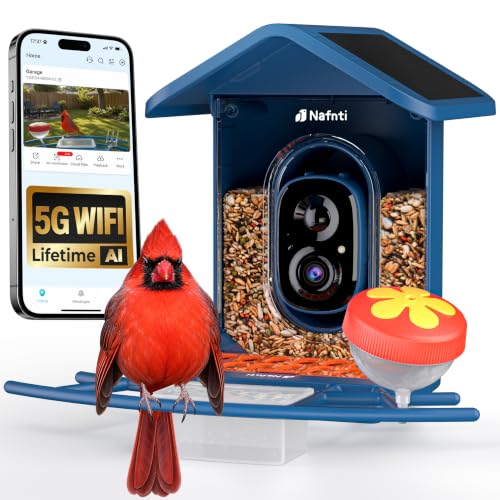
The cheapest route that still works in a wet Seattle yard is a small hopper or tube feeder in the under $25 tier from Amazon, delivered, plus a bag of black oil sunflower. Locally, the Seattle area has several Wild Birds Unlimited franchise stores, the Birds Connect Seattle (formerly Seattle Audubon) Nature Shop, and hardware and farm-supply chains that stock basic hoppers, tubes and suet cages in the same price range. Grocery and big-box stores carry the cheapest plastic tubes, which are fine for a season but rarely survive a Seattle winter of rain and crows.
| Cheap option near Seattle | Budget | What it is good for |
|---|---|---|
| Small plastic tube feeder | under $25 | Chickadees, juncos, house finches; replace yearly |
| Suet cage | under $25 | Chestnut-backed chickadees, bushtits, downy woodpeckers; works all winter |
| Metal hopper with roof | under $50 | Keeps sunflower dry in the rain, the main failure of cheap feeders here |
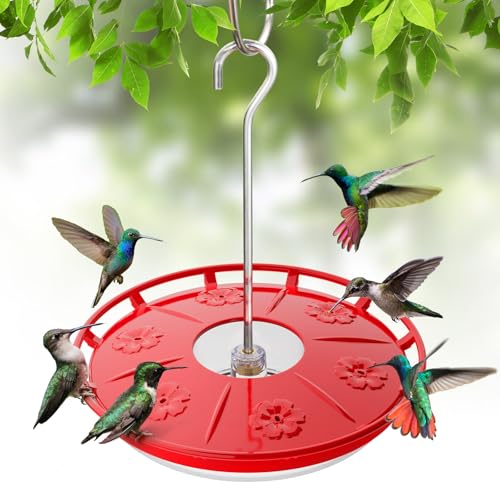
| Saucer hummingbird feeder | under $25 | Anna's Hummingbirds stay in Seattle all year |
Whatever you buy, a roof or weather guard matters more in western Washington than anywhere else in the country: wet seed clumps and moulds within days, and a $15 feeder that drowns its seed costs more in wasted sunflower than a $40 one with a cover. The squirrel proof feeder roundup and the placement guide cover the next step up.
What seed should you buy in Washington?
- Black oil sunflower: the one seed to buy if you buy one. High oil content and a thin shell make it the widest-appeal seed there is. Most feeder birds in most of North America eat it.
- Nyjer (thistle): finch food for small-port feeders. Not related to thistle despite the name. Imported nyjer is heat-treated so it does not sprout. Needs a feeder with tiny ports or mesh or it pours out.
- White proso millet: for ground-feeding birds. The best of the small grains, but also a favourite of non-native house sparrows and cowbirds. Offer it on a tray, not in a hanging feeder.
- Suet and suet dough: fat for insect eaters. Rendered suet cakes are the standard; no-melt doughs blend fat with flour or cornmeal to hold shape in heat.
- Nectar (sugar water): 1 part sugar, 4 parts water. Plain white table sugar and water at 1:4. No red dye, honey, brown sugar or sweeteners. Change it on the temperature schedule.
What about hummingbirds and nest boxes?
Hummingbirds: Anna's Hummingbird (year round) and Rufous in migration.
Nest boxes worth putting up: Western Bluebird, Tree Swallow, Violet-green Swallow, Bewick's Wren, Black-capped Chickadee.
Neighbouring Pacific Coast states: California, Oregon.
Sources
- Seattle-area feeder birds: Cornell Lab of Ornithology Project FeederWatch regional data for the Pacific Northwest.
- Local retailers: each store's own published location and hours; stock and prices change, so call before driving.
Bird feeding in other states
Alabama · Alaska · Arizona · Arkansas · California · Colorado · Connecticut · Delaware · Florida · Georgia · Hawaii · Idaho · Illinois · Indiana · Iowa · Kansas · Kentucky · Louisiana · Maine · Maryland · Massachusetts · Michigan · Minnesota · Mississippi · Missouri · Montana · Nebraska · Nevada · New Hampshire · New Jersey · New Mexico · New York · North Carolina · North Dakota · Ohio · Oklahoma · Oregon · Pennsylvania · Rhode Island · South Carolina · South Dakota · Tennessee · Texas · Utah · Vermont · Virginia · West Virginia · Wisconsin · Wyoming
Get the Washington feeding calendar
What to put out through the year and when to clean, on one printable page.
After the checklist, a few short emails, then a couple a month at most. Unsubscribe anytime.Frequently asked questions
What is the cheapest bird feeder that works near Seattle?
A small tube or hopper feeder in the under $25 tier filled with black oil sunflower, hung with a roof or weather guard so the seed stays dry. Add an under $25 suet cage for the chickadees, bushtits and woodpeckers that visit Seattle yards year round.
Which birds come to a feeder in Seattle?
Black-capped and chestnut-backed chickadees, dark-eyed juncos, house finches, bushtits, spotted towhees, song sparrows, downy woodpeckers, Steller's jays and, all year, Anna's Hummingbirds. Crows and starlings arrive if seed is left on the ground.
Do Seattle hummingbird feeders need to stay up in winter?
Anna's Hummingbirds overwinter in the Puget Sound area, so a feeder left up through winter is used. Bring it in overnight or swap feeders when temperatures fall below freezing so the nectar does not freeze.
What birds come to feeders in Washington?
Common feeder birds across the Pacific Coast include house finches, goldfinches, juncos, chickadees, nuthatches, sparrows and towhees. Exact species vary with habitat and elevation, and winter brings visitors that do not breed locally. Project FeederWatch counts are the best guide to what a feeder in your part of Washington will actually see.
What is the state bird of Washington?
The official state bird of Washington is the American Goldfinch. It is a regular backyard bird, and the feeder setup on this page will attract it.
When should I put out hummingbird feeders in Washington?
Anna's Hummingbird (year round) and Rufous in migration Anna's Hummingbirds stay year round along much of the Pacific coast, so many people keep one feeder up all year. Mix 1 part sugar to 4 parts water and change it on the temperature schedule.
How do I feed birds in Washington in winter?
Mild, wet winters: keep seed dry and nectar up year round for resident Anna's Hummingbirds. Keep feeders clean, since crowded winter feeders spread disease, and stock high-energy foods such as black oil sunflower and suet.
Are there bird feeding restrictions in Washington?
Some towns, HOAs and wildlife agencies restrict feeding where bears, deer or rodents are a problem, and black bears are present in parts of Washington, so many agencies advise taking seed feeders down from spring to late autumn in bear country. Check your local rules and take feeders down during disease outbreak advisories.